· 2 min read
Branding or Rebranding? How to Tell Your Brand Needs a Change
branding · strategy
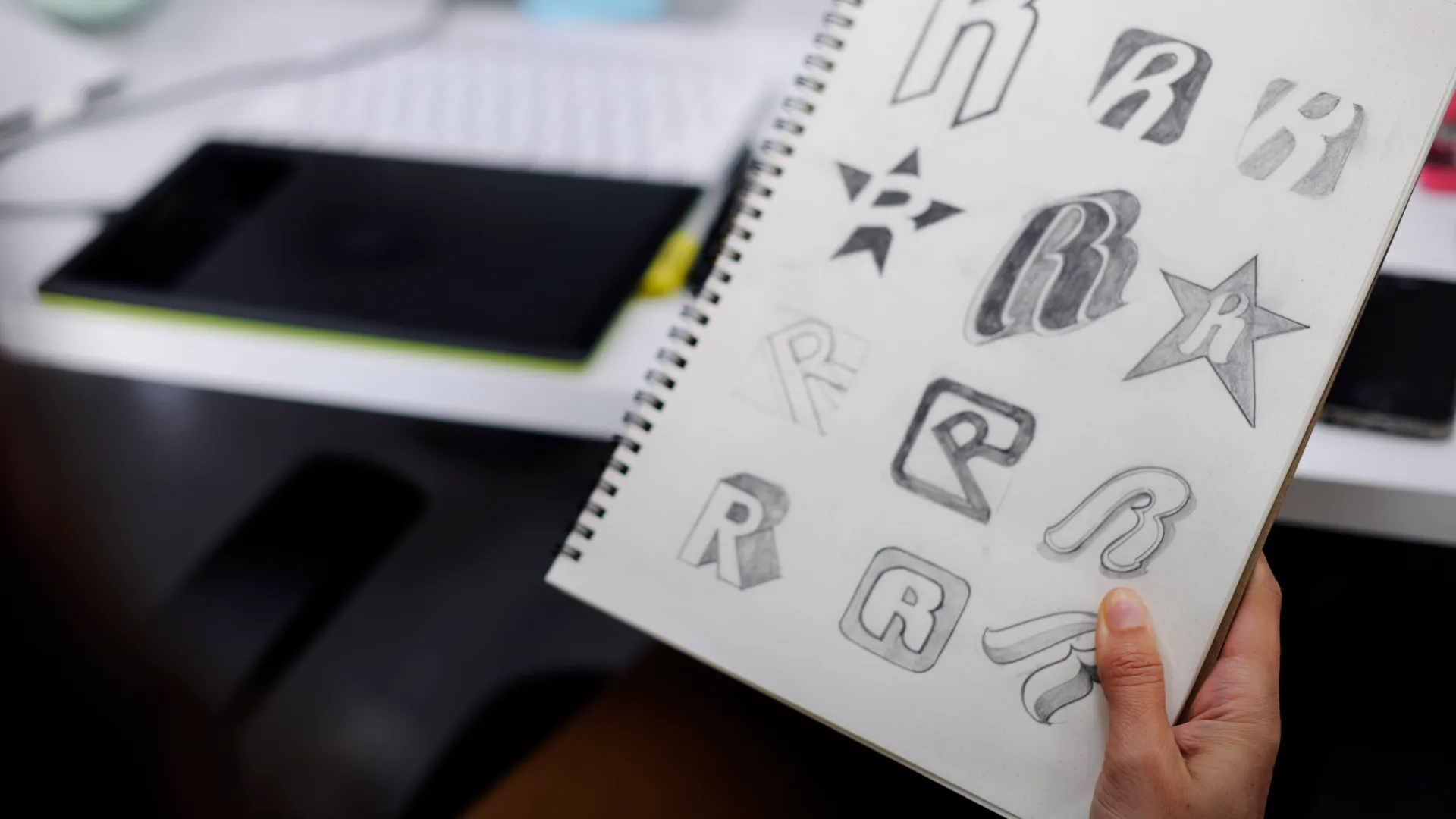
A brand needs a rebrand when its image no longer matches what the company actually is: after a shift in offering, a new target audience, or simply because the visual identity has aged. Branding from scratch, on the other hand, is for brands that are just starting out, or that never had a consistent visual system to begin with.
What’s the difference between branding and rebranding?
Branding means building a brand identity from the ground up. Typical for new companies, or ones that have operated without a well-thought-out visual system (a logo made in-house, inconsistent colors, no coherence across channels).
Rebranding means deliberately changing an existing identity: partially (refreshing the logo, the color palette) or fully (new name, new strategy, new visual system). Rebranding always carries risk: the transition has to be managed carefully so you don’t lose the recognition built up over the years.
5 signs your brand needs a rebrand
- The image no longer fits the offering. The company has grown or shifted focus, but the identity still speaks to who the brand was 5 years ago.
- It looks dated. Design trends move, and an identity from a decade ago often reads as outdated, even if the product itself is modern.
- No consistency across channels. A different logo on the website, a different one on Instagram, different colors on packaging: a sign nobody’s been maintaining the system.
- The target audience is shifting. A brand moving into a new market segment (B2C to B2B, or vice versa) usually needs a different visual language to match.
- Competitors have visually overtaken you. If your brand looks weaker than competitors with a similar offering, it genuinely affects perceived credibility.
Partial or full rebrand?
Not every signal above means starting from zero. A partial rebrand (refreshing the color palette, typography, or the logo itself while keeping recognizable elements) is often enough, and safer for brands with an established position. A full rebrand (new name, new strategy) tends to make sense mainly around mergers, a business model change, or a serious reputational crisis.
What does the rebranding process look like?
A well-run rebrand doesn’t start with design. It starts with an audit: what’s working in the current identity, what isn’t, and why the brand wants to change in the first place. Only then comes the new strategy and creative direction, followed by a rollout plan that defines the order and timeline for the new identity appearing across every channel.
Wondering whether your brand needs a refresh or a build from scratch? Get in touch. I’m happy to take an honest look at what you have and tell you what I’d change.